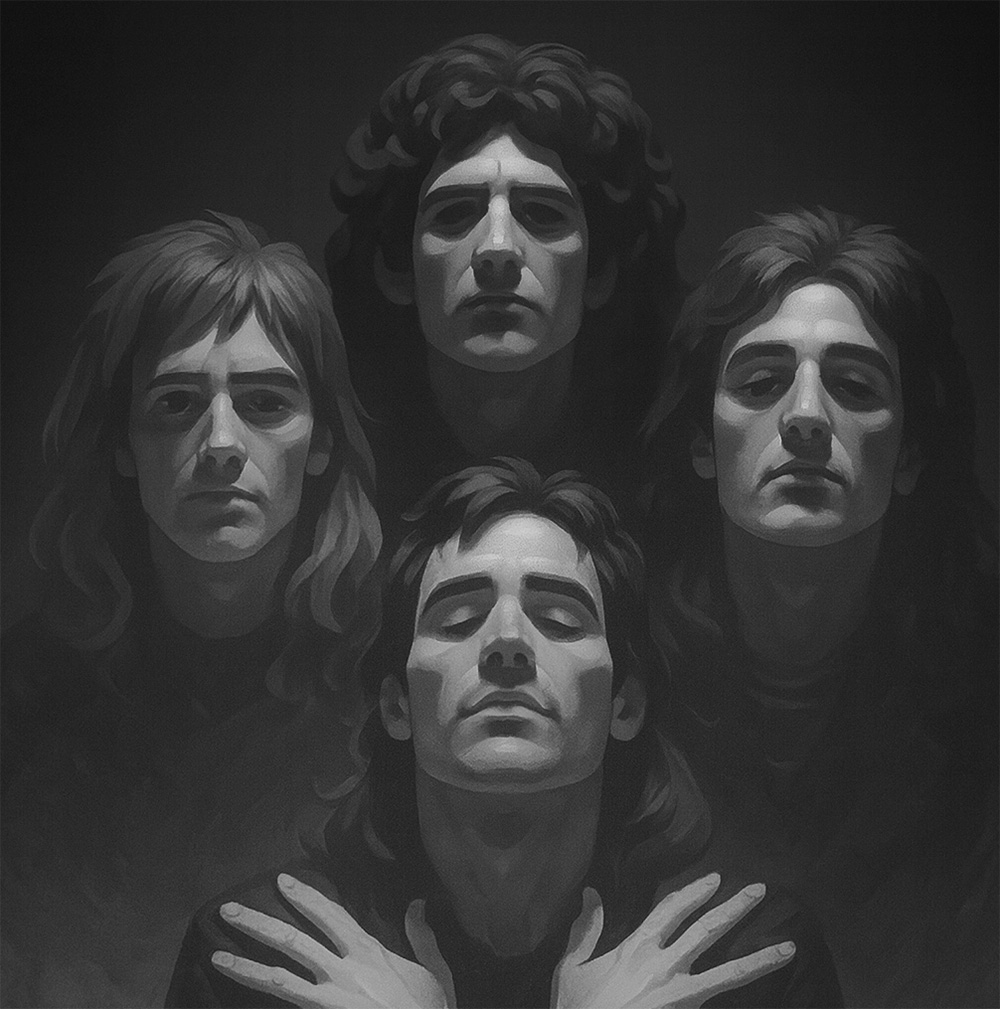
Bohemian Rhapsody: Six Minutes of Magic That Defined My Youth
Bohemian Rhapsody: Moments That Still Move My Heart
A personal reflection on Queen’s masterpiece and its enduring impact on music and life
That First Thrill on a Summer Night in 1978
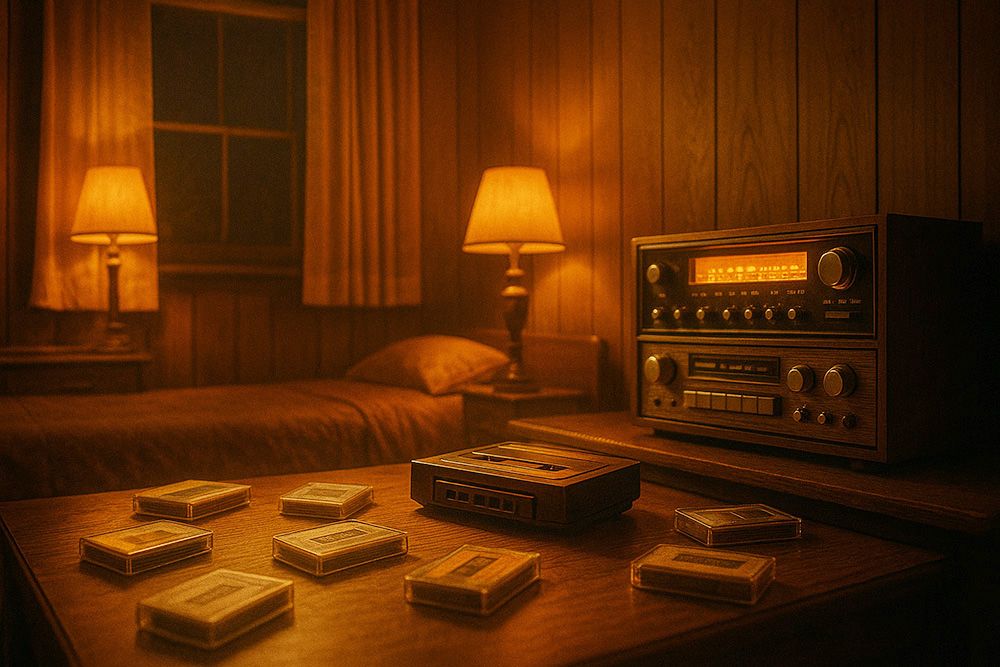
I still remember it vividly. That summer night when I was sixteen, in my friend Michael’s attic room, the first moment I heard Queen’s Bohemian Rhapsody. Michael put his newly bought cassette tape into the player and said, “Listen to this, it’s absolutely insane.”
From the moment those first few seconds of quiet piano began to flow, I felt something was different. But as the song progressed, my mind was completely turned upside down. From ballad to opera, then to hard rock… What on earth was this? Those six minutes felt like watching an entire movie.
The goosebumps I felt when I heard the opening line “Is this the real life? Is this just fantasy?” are unforgettable even now. That night we played this song more than ten times on repeat.
1975: A Watershed Moment in Music History
Queen’s legendary song was released on October 31, 1975. As a track from their fourth studio album A Night at the Opera, it was pre-released as a single before the album launch, spending nine consecutive weeks at #1 on the UK Singles Chart and selling over one million copies within three months.
Queen began rehearsing this song in mid-1975 and recorded it over three weeks starting August 24 at Rockfield Studios in Wales. At a time when three-minute pop songs were the industry standard, there were doubts about whether this nearly six-minute track would be properly accepted on radio.
When Freddie Mercury proposed combining opera and melodrama elements with rock music, many were skeptical. But the result exceeded all expectations. This song transcended being just a hit single—it became an innovative work that broke genre boundaries and expanded the possibilities of rock music.
Interpreting Bohemian Rhapsody’s Lyrics: Anguish Between Life and Death
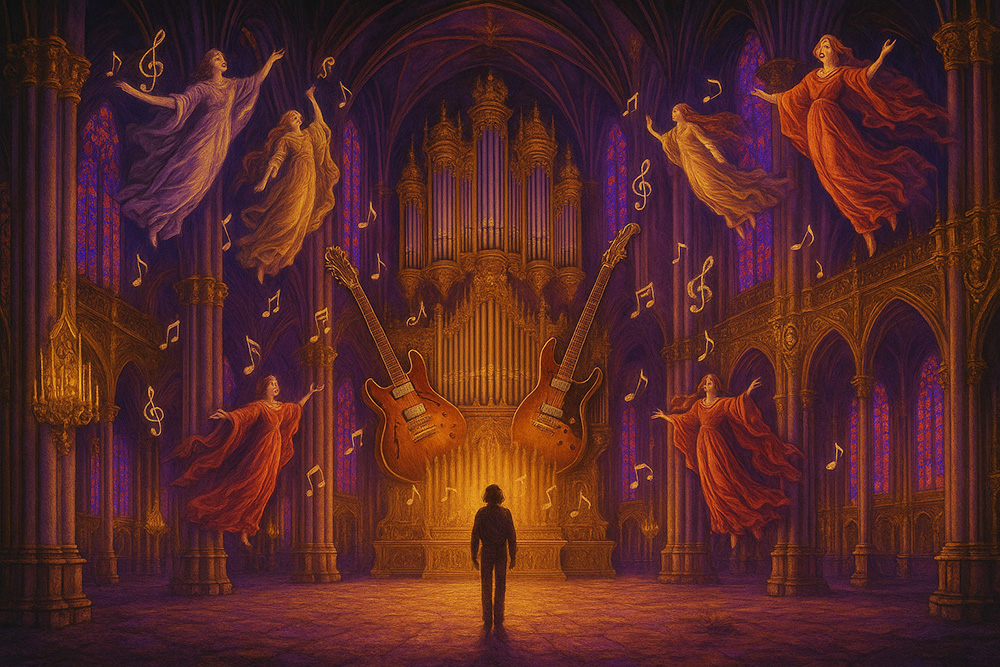
The charm of this song lies in its resistance to clear interpretation. While Freddie Mercury never revealed the exact meaning of this song during his lifetime, examining the lyrics reveals deep inscriptions of human internal conflict and existential contemplation.
The confession beginning with “Mama, just killed a man” reads not as a simple crime story but as a metaphor for life’s irreversible choices. Guilt, regret, and resignation to fate are dramatically expressed alongside operatic choruses.
Listening to this song again this week, I suddenly realized that we all have “irreversible moments.” The weight we feel when making certain choices, and the courage needed to live life afterward. Bohemian Rhapsody sings about precisely this essential human dilemma of existence.

Why Is Bohemian Rhapsody So Powerful?
The precedents for this song can be found in the rhapsodic and semi-improvisational fantasy pieces of 19th century classical tradition—Schumann’s or Chopin’s piano works, or the tone poems of Strauss and Liszt. But it also contains the innovative spirit of 1970s progressive rock.
What makes this song special is its structural audacity. Completely ignoring the traditional verse-chorus-verse structure, it chose a four-part composition of ballad-opera-hard rock-coda. This structure, like a small-scale rock opera, was an unimaginable challenge for its time.
Above all, this song has “authenticity.” It feels strongly like a work born from an artist’s pure desire for artistic expression, rather than something created for commercial success. Perhaps that authenticity is why it continues to move people’s hearts even fifty years later.

Life Lesson: You Don’t Have to Be Perfect, But You Must Be Real
If I were to summarize the message contained in Bohemian Rhapsody in one sentence, I would call it “the authenticity of imperfect humanity.” The protagonist of this song is not a hero. They are an ordinary human who makes mistakes, feels regret, and experiences fear.
But it’s precisely because of that imperfection that we empathize with this song. No one can make only perfect choices in life. Sometimes we make irreversible mistakes and must live carrying that weight.
What’s important is not giving up even in those moments. Like singing “Nothing really matters” while continuing to sing until the end, we too must sometimes continue living even while feeling meaninglessness.
Perhaps that’s the message Queen, and Freddie Mercury, wanted to convey to us through this eternal masterpiece. It’s okay not to be perfect. What matters is living authentically.
What are your memories of first hearing Bohemian Rhapsody? Share your thoughts in the comments below.
Tags: Queen, Bohemian Rhapsody, Freddie Mercury, Classic Rock, Music Analysis, 1970s Music