Girls Just Want to Have Fun: How Cyndi Lauper’s 1983 Anthem Became a Timeless Feminist Manifesto for Every Generation
When Freedom Had a Voice: My Journey with Cyndi Lauper’s Anthem
The Memory That Started It All
I still remember the exact moment “Girls Just Want to Have Fun” burst into my world. It was a humid summer afternoon in 1984, and I was thirteen, sprawled across the backseat of my older sister’s beat-up Chevy as we drove through downtown. The radio crackled to life, and suddenly this explosion of color and rebellion filled the car. Cyndi Lauper’s distinctive voice cut through the static like a declaration of independence I didn’t even know I needed to hear.
My sister cranked up the volume, her hands drumming against the steering wheel, and for those three minutes and fifty-four seconds, the world felt limitless. There was something electric about that moment – the way the synthesizers bounced off the car windows, the way Lauper’s voice seemed to speak directly to every teenager who ever felt misunderstood. Even now, decades later, I can close my eyes and feel that same rush of possibility.
A Cultural Revolution in Four Minutes
Released in 1983, “Girls Just Want to Have Fun” arrived at a pivotal moment in American culture. The early 80s were a time of rigid expectations and conservative values, yet here was Cyndi Lauper – with her rainbow hair and unapologetic attitude – challenging everything. Originally written by Robert Hazard, Lauper transformed the song from a male perspective into a feminist anthem that would define a generation.
The song emerged during the MTV era, when music videos were reshaping how we experienced music. Lauper’s colorful, rebellious visual style perfectly captured the spirit of young women who were tired of being told how to live their lives. When we dive into the Girls Just Want to Have Fun – Cyndi Lauper 가사 해석, we discover layers of meaning about freedom, self-expression, and the simple yet revolutionary desire to live authentically.

The Visual Poetry of Liberation
The genius of “Girls Just Want to Have Fun” lies not just in its catchy melody, but in the vivid imagery it creates. When Lauper sings about coming home in the morning light, I picture those moments of pure freedom – when responsibility melts away and all that matters is the present moment.
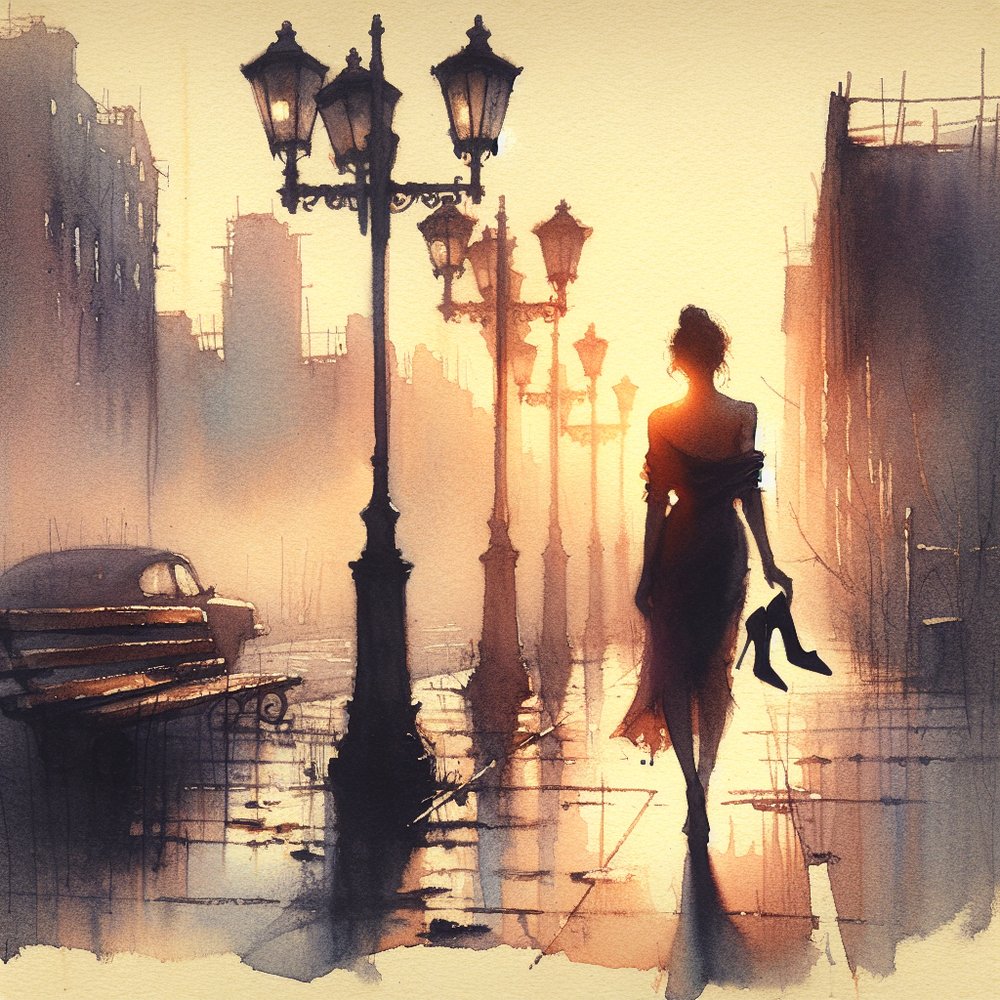
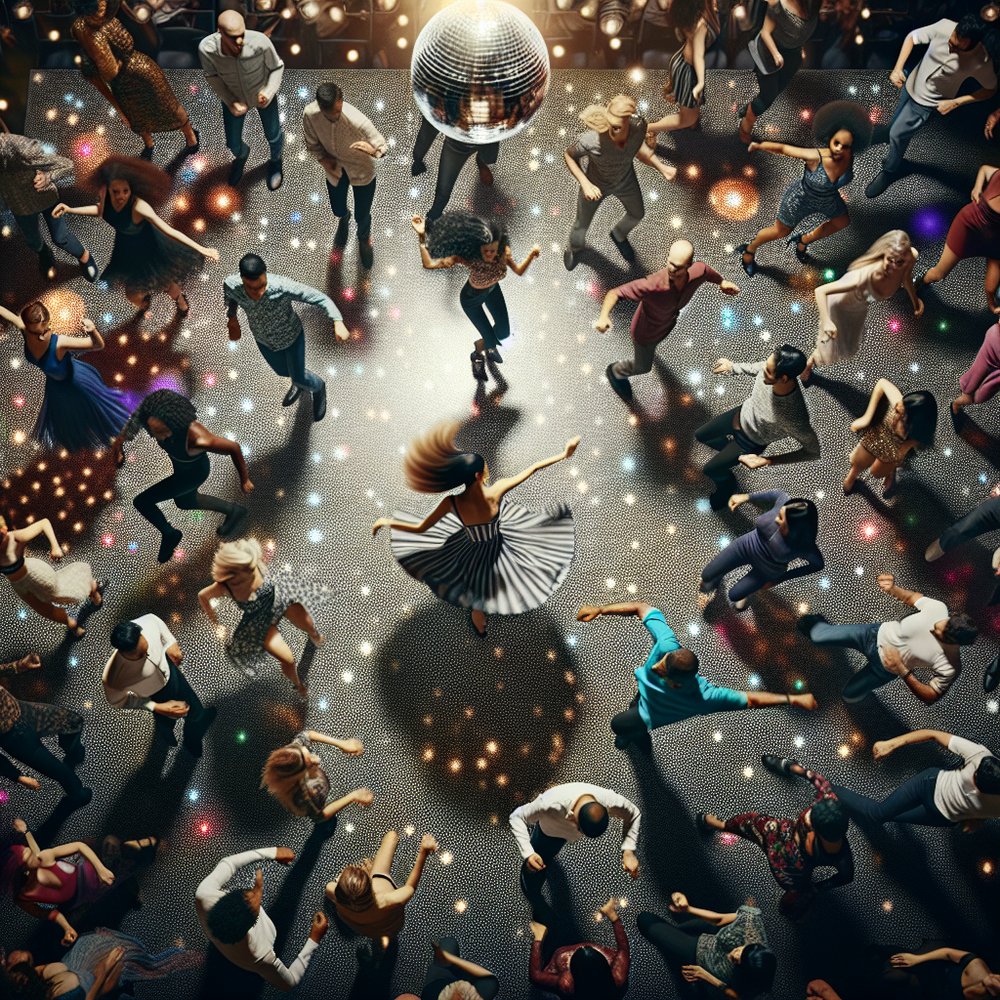
The song’s narrative unfolds like a series of snapshots – each verse painting a different scene of a young woman asserting her independence. There’s the confrontation with parents, the workplace dynamics, the simple desire to dance and laugh without judgment.
Finding Myself in the Melody This Week
This week, as I’ve been navigating some challenging decisions about my own path forward, “Girls Just Want to Have Fun” has taken on new meaning. At 46, I’m discovering that the song’s message isn’t just about youthful rebellion – it’s about the ongoing struggle to remain authentic in a world that constantly tries to define us.
왜 Girls Just Want to Have Fun – Cyndi Lauper는 이렇게 강렬할까? Perhaps it’s because the song captures something universal about the human spirit – our need to break free from expectations and simply exist on our own terms. In my middle age, I find myself returning to that same defiant joy I felt as a teenager, realizing that the desire for authentic self-expression never really goes away.

The Timeless Truth of Simple Desires
What strikes me most about revisiting this song now is how its core message remains revolutionary. In 1983, the idea that girls just wanted to have fun was somehow controversial. Today, we’re still fighting many of the same battles about women’s autonomy, about the right to joy without justification, about living authentically in the face of societal pressure.
Cyndi Lauper gave voice to something that transcends gender and generation – the fundamental human right to pursue happiness on our own terms. The song reminds us that sometimes the most radical act is simply allowing ourselves to experience joy without apology.
As I listen to those familiar opening chords today, I’m transported not just to that summer afternoon in my sister’s car, but to every moment since when I’ve chosen authenticity over conformity, joy over judgment. “Girls Just Want to Have Fun” isn’t just a song – it’s a manifesto for anyone who’s ever felt the courage to dance to their own rhythm.
In the end, maybe that’s what we all want – not just girls, not just in the 1980s, but all of us, right now: the freedom to be ourselves, to find joy in simple pleasures, and to remember that sometimes the most profound act of rebellion is simply choosing to be happy.